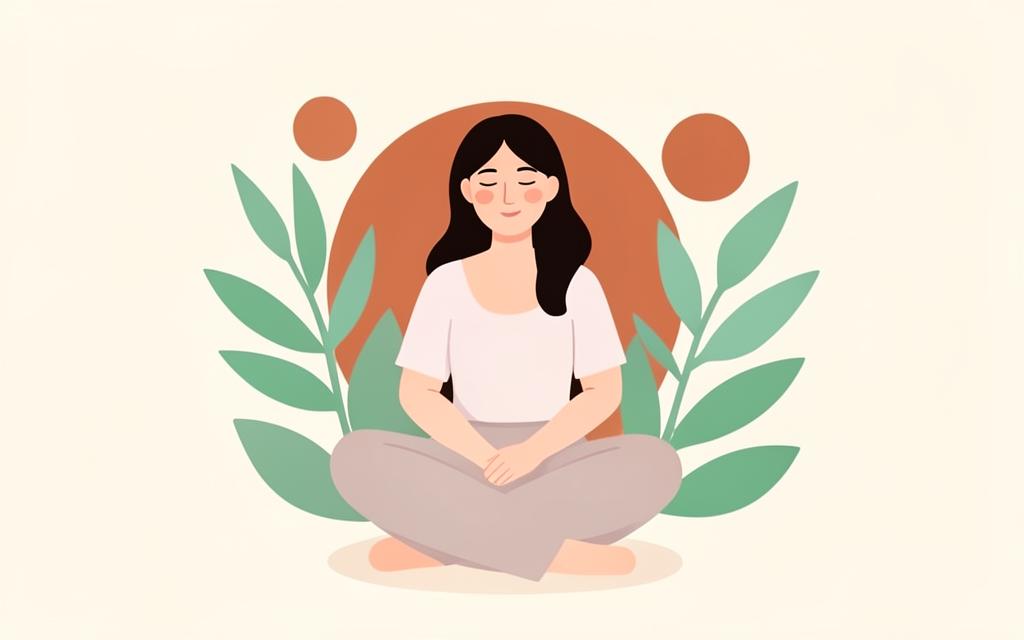
Understanding Anxiety
Anxiety is the body's alarm system. It can feel like a racing heart, tight chest, fast breathing, stomach aches, restlessness, or thoughts that loop and will not settle. Some anxiety before an exam or a difficult conversation is normal and even useful. It becomes a problem when it is frequent, intense, or stops you doing everyday things. Slow breathing (breathe out for longer than you breathe in), grounding your attention in what you can see, hear and touch, and gradually facing the thing you are avoiding rather than escaping it are all techniques that help. Talking therapies such as CBT are effective, and support is available through a doctor, school counsellor, or a mental health service.
Low Mood & Depression
Feeling low for a few days happens to everyone. Depression is different: low mood or loss of interest that lasts most of the day, most days, for two weeks or more, often with changes in sleep and appetite, low energy, difficulty concentrating, and harsh thoughts about yourself. It is a health condition, not a personal failing or lack of willpower, and it responds well to treatment — talking therapy, practical changes, and sometimes medication. Reaching out early usually means recovering sooner.
Mood, Hormones & Your Cycle
Hormonal shifts across the menstrual cycle can affect mood, energy, and sleep, particularly in the week before a period. For a small number of people these changes are severe and disrupt daily life — this is called premenstrual dysphoric disorder (PMDD) and there are effective treatments for it. Tracking your mood alongside your cycle for two or three months makes patterns visible and gives a healthcare provider something concrete to work with. Puberty, contraception, thyroid problems, and iron deficiency can all affect mood too, so it is worth mentioning them.
Body Image & Social Media
Most images online are filtered, posed, or edited, and comparing yourself with them reliably makes people feel worse. Noticing which accounts leave you feeling low and muting or unfollowing them genuinely helps, as does limiting scrolling before bed. Try to judge your body by what it lets you do rather than how it looks. If food, eating, or exercise feels controlling — skipping meals, strict rules, secrecy, or intense guilt — that is a sign to talk to someone you trust or a healthcare provider, because eating disorders are far easier to treat early.
Self-Care That Actually Helps
The basics do most of the work: regular sleep (8 to 10 hours for teenagers), daily movement you enjoy, meals at fairly regular times, time outdoors, and real contact with people who make you feel safe. Limiting caffeine and energy drinks, and keeping screens out of the last hour before bed, improves sleep noticeably. Writing things down, creative hobbies, and simple breathing or mindfulness practices give your mind somewhere to put stress. Self-care is not a treat you earn — it is maintenance.
When to Seek Support
Reach out if difficult feelings have lasted more than a couple of weeks, are getting worse, or are affecting school, friendships, sleep, or eating. Start with someone you trust — a parent, teacher, school counsellor, doctor, or nurse. If you ever have thoughts of harming yourself or of not wanting to be here, tell someone straight away and contact a crisis line or emergency services in your country; these thoughts are a signal you need support now, and help is available. See the Resources page for where to turn.